
3D technologies and printing applied to occupational therapy
3D printing opens up new prospects in occupational therapy. It makes it possible to design practical assistive devices, orthoses and splints that better meet patients’ everyday needs. Thanks to digital modelling and additive manufacturing, occupational therapists have modern tools to support rehabilitation, assist mobility and enhance patients’ comfort and independence.
At Twin 3D, we work alongside occupational therapists and rehabilitation centres to integrate these technologies into the design and implementation of therapeutic devices.
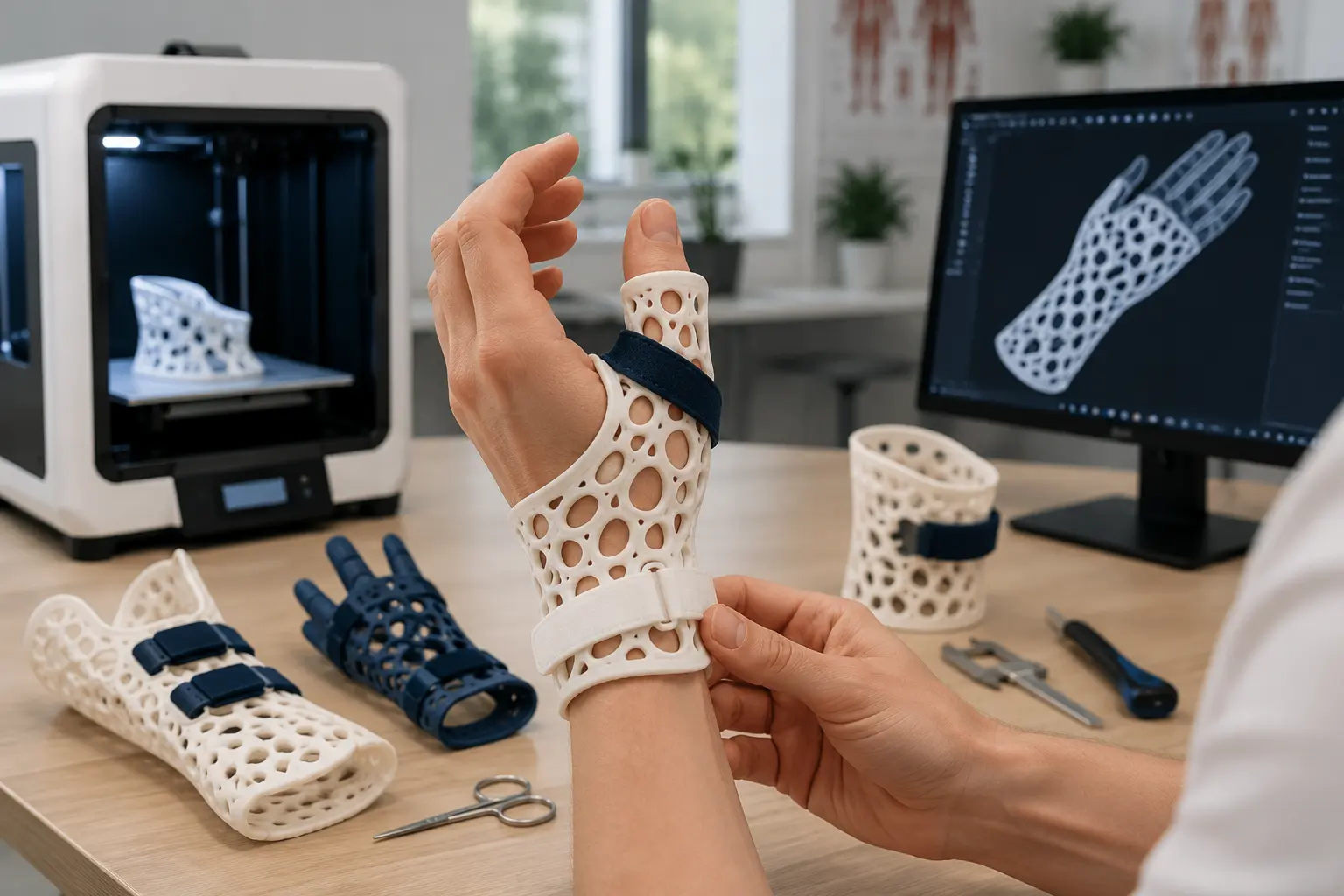
How does 3D printing help in occupational therapy?
3D printing facilitates clinical work by making it possible to:
- develop custom orthoses / splints (wrist, hand, upper limb, lower limb),
- produce assistive devices adapted to pathologies, disabilities and patients’ needs and wishes,
- speed up the provision of solutions useful in everyday life and monitor how they are adjusted over time,
- involve the patient in the choice, design and adjustment of their device.
The result: more precise and responsive occupational therapy that encourages active patient participation and improves comfort and independence.
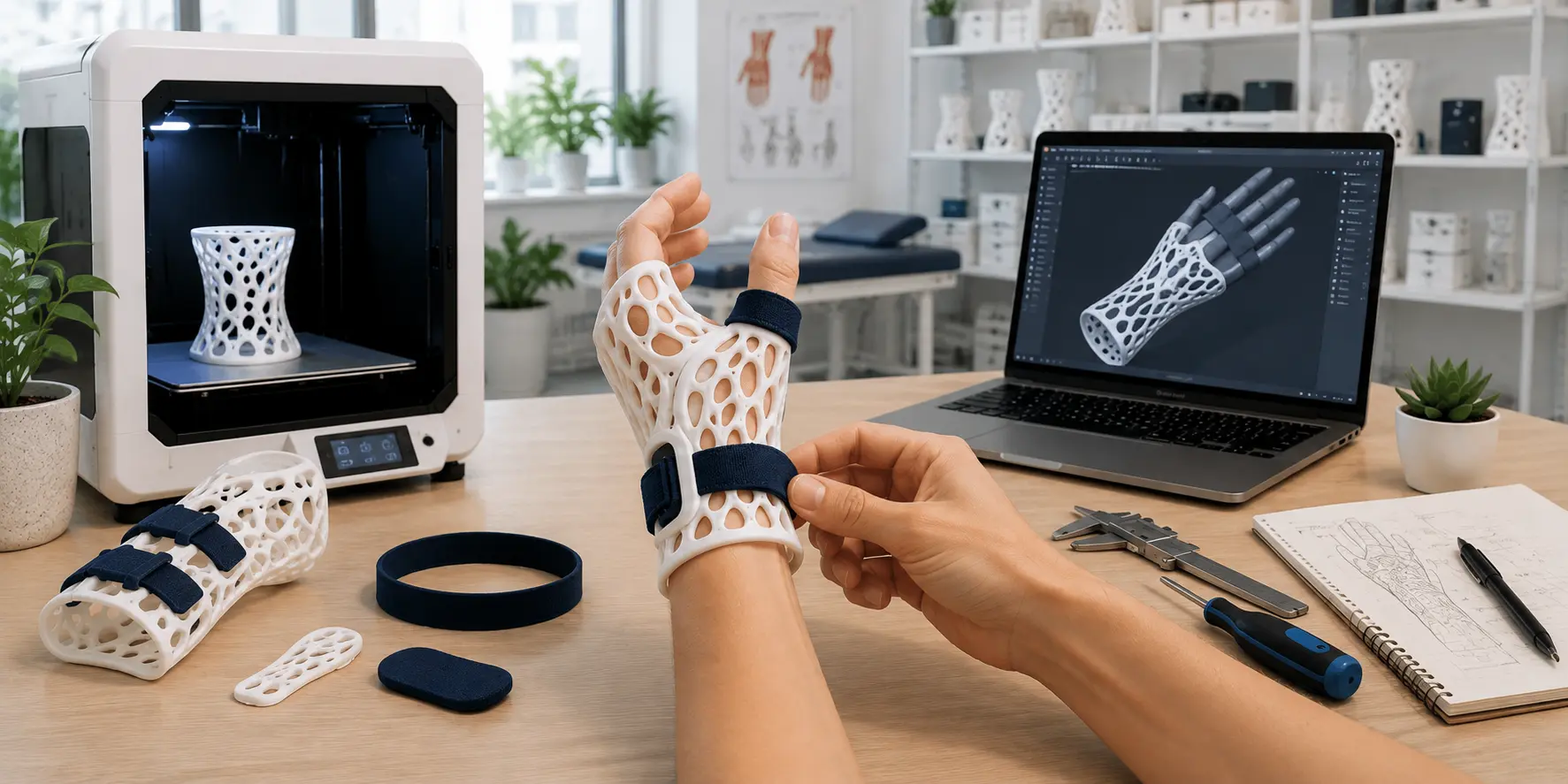
What are the tangible benefits?
By integrating 3D printing, occupational therapy becomes more effective:

Precision
each piece is designed from the patient’s anatomical data

Innovation
additive manufacturing makes previously impossible shapes and structures achievable.

Comfort
devices are designed to be worn over the long term, with better ergonomics.

Efficiency
fewer prototypes, fewer trials, saving time and materials.

Responsiveness
the ability to quickly design a functional prototype.
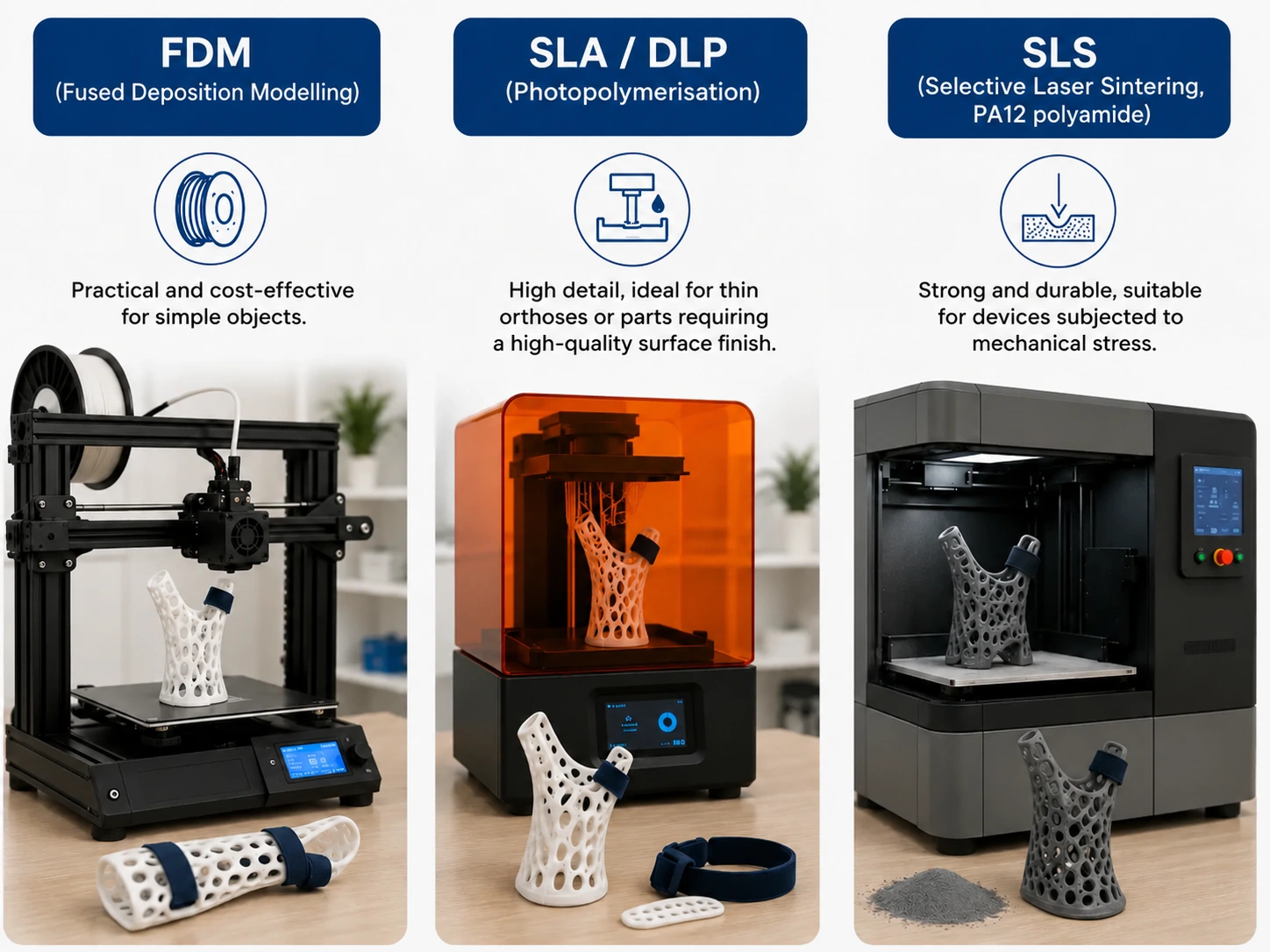
Which 3D printing techniques are used?
Depending on the project, several processes may be used:
- FDM (fused deposition modelling): practical and cost-effective for simple objects.
- SLA / DLP (photopolymerisation): very fine detail, ideal for thin orthoses or parts requiring a high-quality finish.
- SLS (powder sintering, PA12 polyamide): strong and durable, suited to devices subject to mechanical stress.
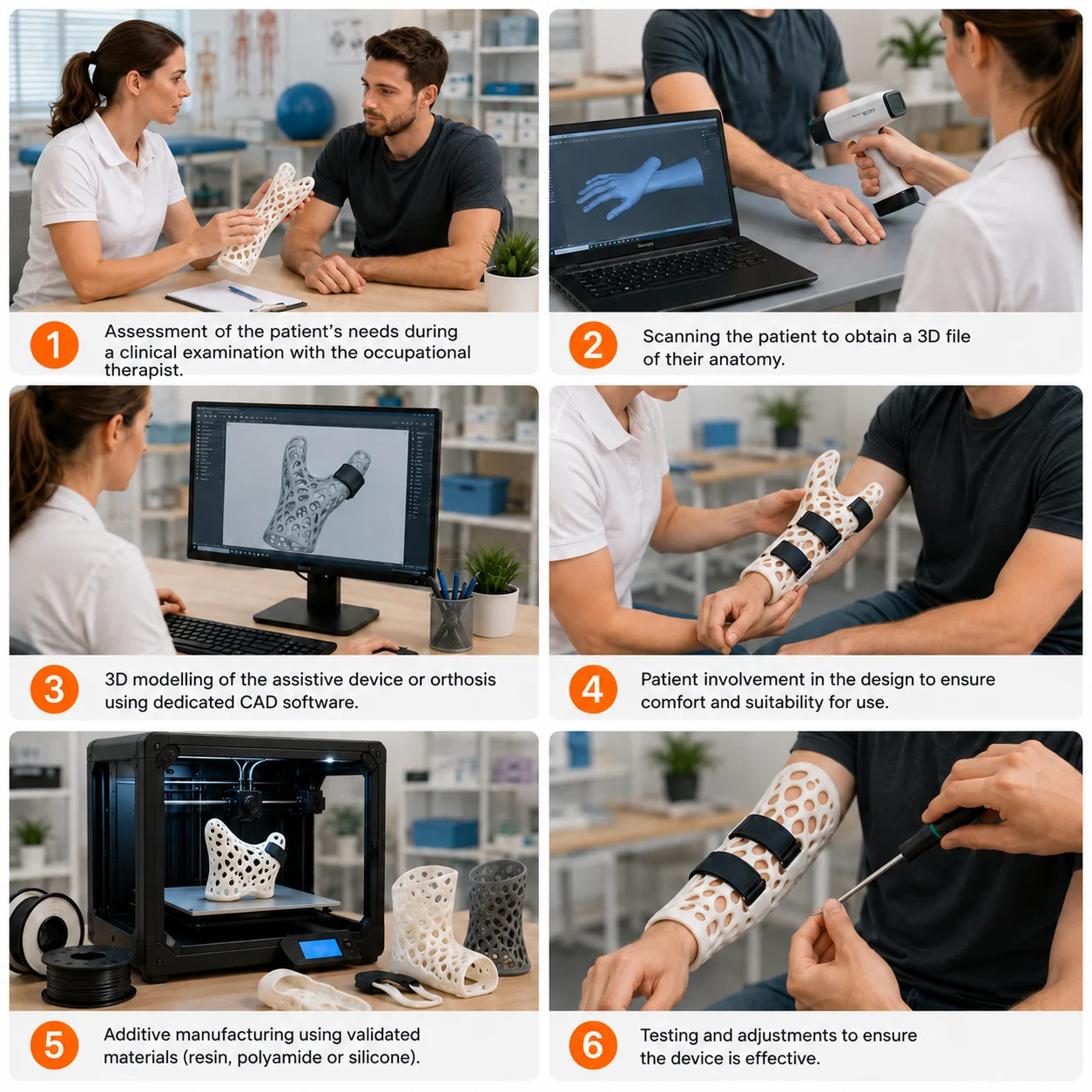
How do you create custom assistive devices?
Designing a therapeutic object generally follows these steps:
-
1
Needs assessment during the clinical examination with the occupational therapist.
-
2
Patient scan to obtain a 3D file of their anatomy
-
3
3D modelling of the assistive device or orthosis using dedicated software tools (CAD)
-
4
Patient involvement in the design, to ensure comfort and suitable use.
-
5
Additive manufacturing with validated materials (resin, polyamide, silicone).
-
6
Testing and adjustment phase, to ensure the device is effective.
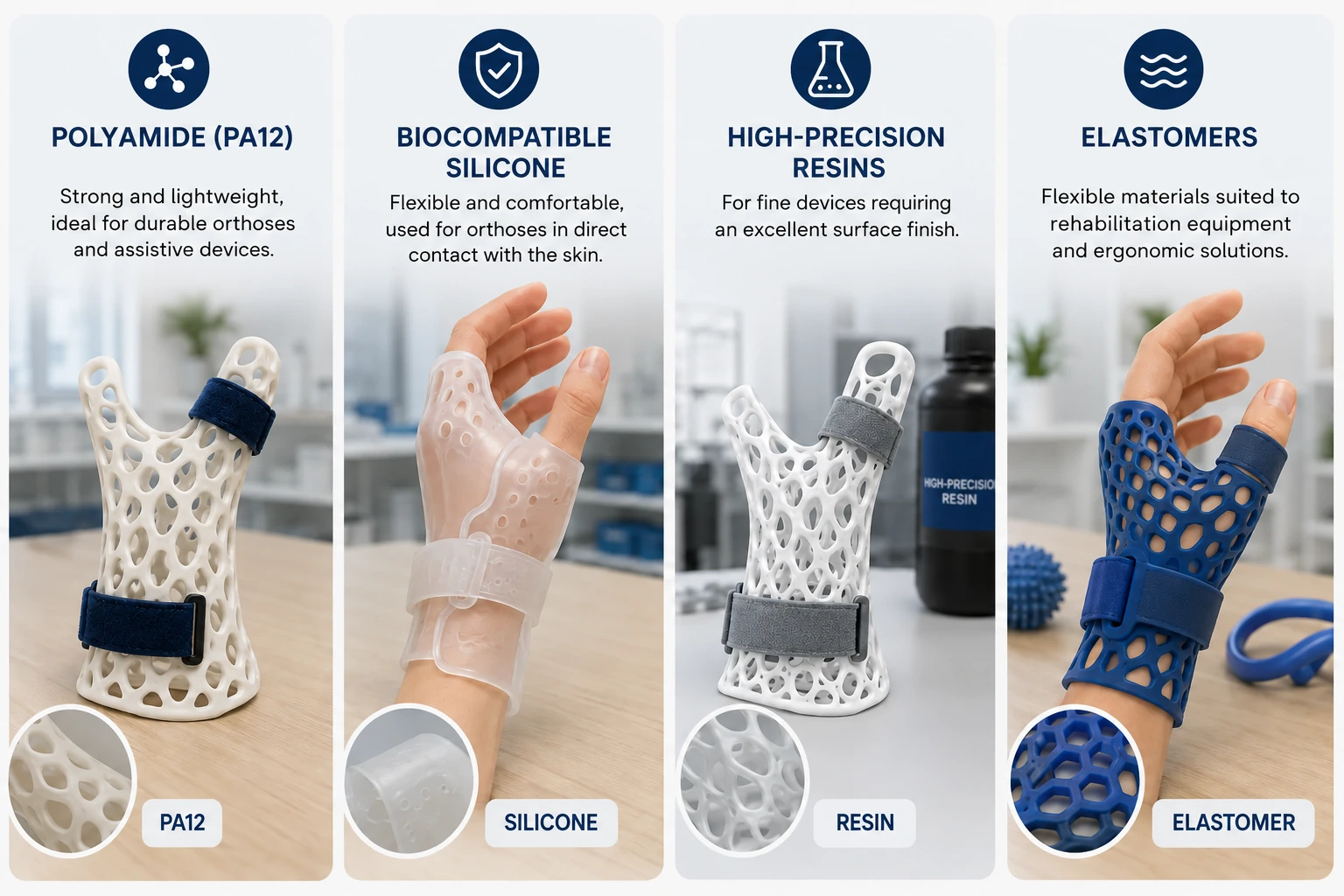
Which materials are used in 3D printing for occupational therapy?
The materials used in occupational therapy vary depending on the device:
- Polyamide (PA12): strong and lightweight, ideal for durable orthoses and assistive devices.
- Biocompatible silicone: soft and comfortable, used for orthoses in direct contact with the skin.
- High-precision resins: for fine devices requiring an excellent finish.
- Elastomers: flexible, suited to rehabilitation objects and ergonomic solutions.
Solutions offered by Twin 3D
Twin 3D supports occupational therapists and rehabilitation centres by providing:
- Certified software for scan clean-up, modelling and the design of orthoses and assistive devices.
- 3D-printed devices: orthoses, ergonomic objects, anatomical models.
- Comprehensive support: installation, training, technical support and clinical follow-up.
Advice on materials and processes (polyamide, silicone, resins, additive manufacturing). - Complete ecosystem: integration of our solutions with your software and equipment and/or access to our network of partners specialising in 3D printers, scanners and regulatory certification.
Our goal: to provide occupational therapy professionals with reliable, innovative tools to develop solutions tailored to patients’ needs.
FAQ
Yes. Our tools are based on standard formats (STL, OBJ, DICOM), which are compatible with most of the equipment and software already in use in rehabilitation centres and practices.
Other allied health specialities
They trust us









Book a demonstration
Twin 3D supports healthcare professionals in their medical 3D projects. Speak with an expert and discover our solutions during a demonstration.